
What will the local and regional political map look like after 7 May?
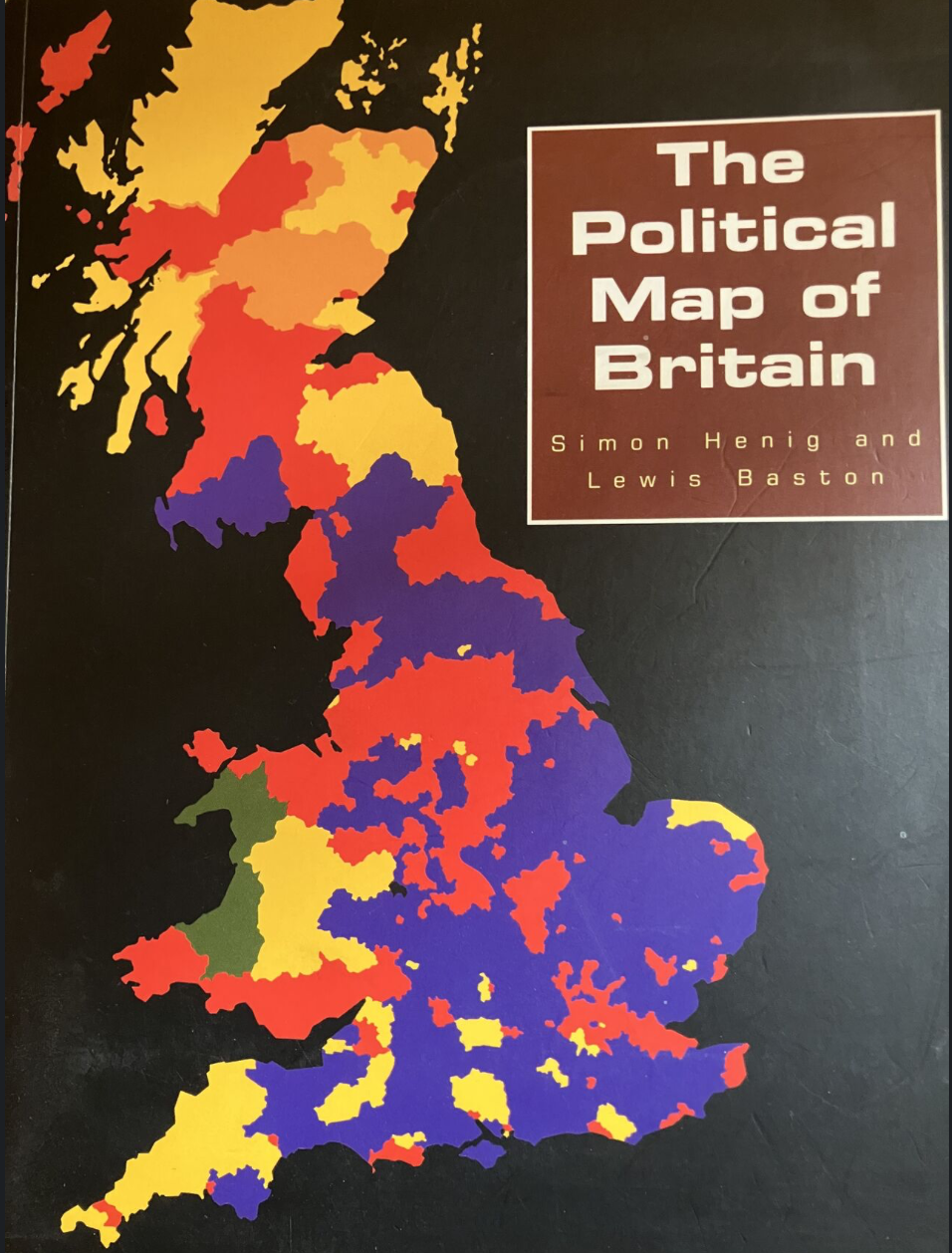
With the campaign now underway in Britain’s equivalent of mid-term elections, what will the local and regional political map look like after 7 May?
This is the largest set of elections we will see between the July 2024 and next General Election, with almost 5,000 council seats, the Scottish Parliament and Welsh Senedd at stake and comes at a time of huge volatility.
There are five parties now regularly polling an average of more than 10% of the vote – to which we can add Plaid Cymru and the SNP in Wales and Scotland – and no party across the UK is currently polling at 30% or over.
As another indicator, out of 138 council by-elections held across England and Wales since 1 August, no fewer than 87 have changed hands – almost two in three seats contested.
Across England, the first past the post electoral system only adds to the unpredictability of these elections, with very small differences in vote changes potentially making a very large difference between winning and losing large numbers of council seats.
Last year there was an ‘inflection point’ around 32-33% of the vote share, above which Reform won huge numbers of seats on county councils – and below which they won very few (not dissimilar to the 34% polled by Labour in the 2024 general election). This year that key winning percentage is likely to continue to fall.
In this period of volatility and unpredictability I have been up and down the country in recent weeks, delivering Election Briefings to a variety of groups and audiences on what we might anticipate on 7 May – and the implications of what follows.
This is now a very different political climate to that when I was compiling election guides back in the early 2000s – do get in touch with myself or the team at Stephenson-Mohl Group for advice and guidance in charting these unprecedented waters