
Brace for Long Counts and Bigger Shifts: What to Watch on Local Election Night
With the polls opening in less than 24 hours, what should we watch out for when the results start to roll in on local election night?
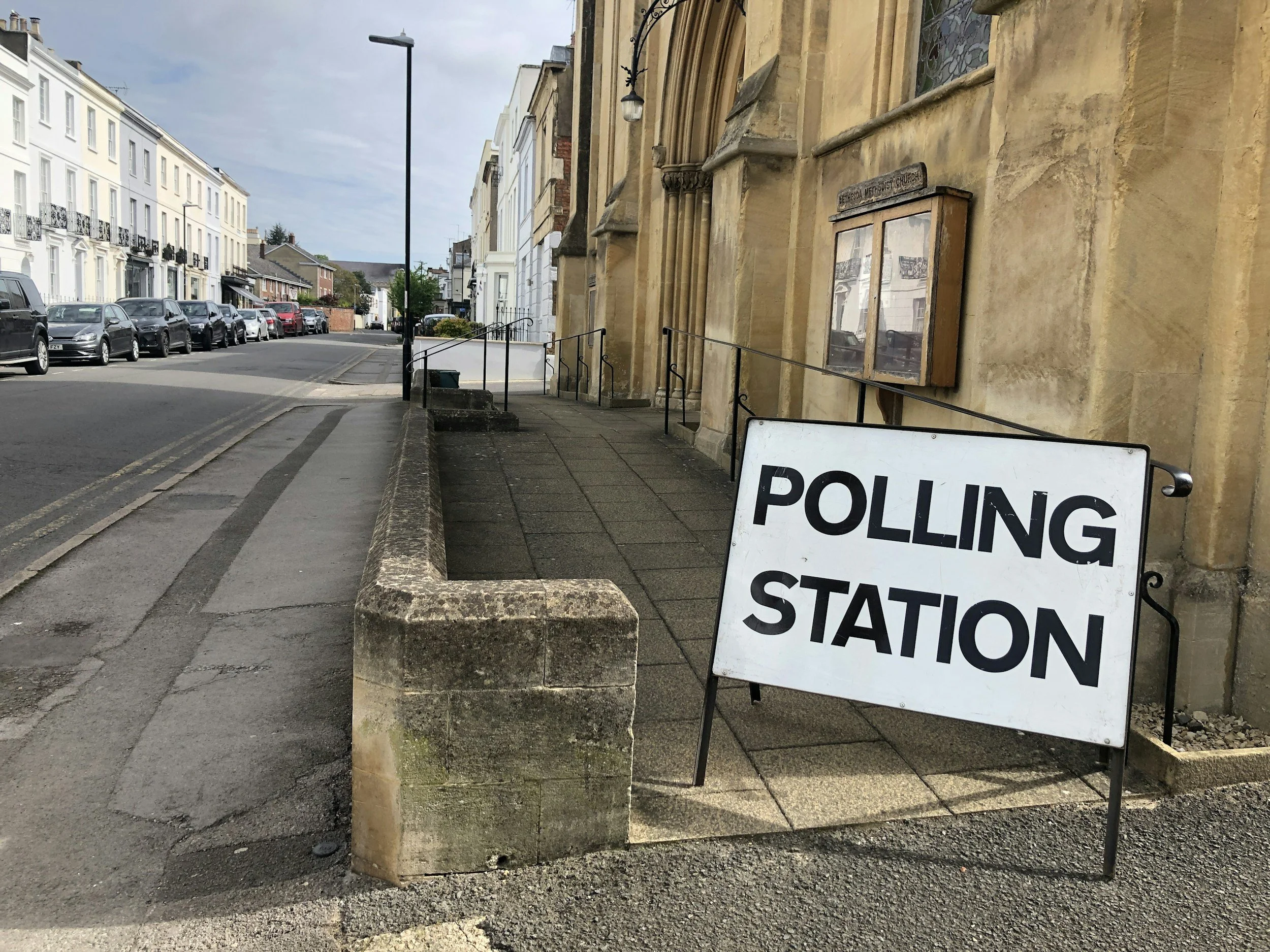
First we need to be aware that many councils are not even starting to count until Friday – so a full picture won’t emerge until Friday afternoon or early evening
When the results do start to come in, expect a lot of volatility and change – and potentially different patterns in different places.
Last year saw Reform come from almost no councillors to take overall control of ten, mainly county councils, typically with large numbers of councillors and large majorities. It would be a surprise if we don’t see another batch of councils following, particularly councils outside of the main cities.
Overall it is generally forecast that Reform will gain at least 1000 council seats, maybe 1500. Last May they out-performed their poll ratings at the time, perhaps because their supporters were more likely to turn out and vote.
Interestingly it was the Lib Dems who were second in councillors won last year – and they have also been second in council by-elections over recent month despite flattish opinion poll ratings. It is possible the Lib Dems could again do a little better than widely predicted.
A big question is whether the Greens can turn recent higher opinion poll ratings into significant numbers of councils and council seats. Watch out for inner London boroughs and inner-city areas in particular.
How many seat losses could be suffered by the Conservatives and Labour? The two party duopoly may seem a very distant memory as the results start to come in. In current by-elections the Conservatives are losing about two thirds of their seats (though also gaining a few) and Labour are losing more than three quarters of theirs. In this context, pre-election forecasts of 1000-1900 Labour losses may well prove accurate.
Finally, these results matter for how councils operate over the next four years. It seems quite possible that a number of high-profile councils in cities will fall to ‘no overall control’ or ‘hung’ status with no one party (and in some places, no two parties) able to form a majority on their own. The last ‘one to watch’ could well be announcements around power sharing agreements, which will only follow in the days and weeks after the election results are announced.